
Permanent fandom , NY KNICKS BAby!
Fifty-three years is a long time to wait for anything. Long enough, apparently, to convince otherwise sensible adults that a needle and some ink are a reasonable way to mark the occasion. When the Knicks finally won it all in June 2026, ending the franchise's championship drought since 1973, fans across New York didn't just celebrate — they committed. Tattoo parlors reported a spike in walk-ins featuring the team's orange-and-blue logo, championship dates, and even Jalen Brunson's number, permanently etched onto skin that will outlast the jersey, the confetti, and probably several more coaching changes.
It's worth asking why a basketball game — however dramatic the comeback — pushes people past the usual markers of fandom. A jersey can be donated. A hat can be lost. Even the most devoted fan can, in a weak moment, quietly stop watching. A tattoo forecloses that option. It's a bet that this feeling, right now, is worth carrying for the rest of your life, regardless of what the team does next season.
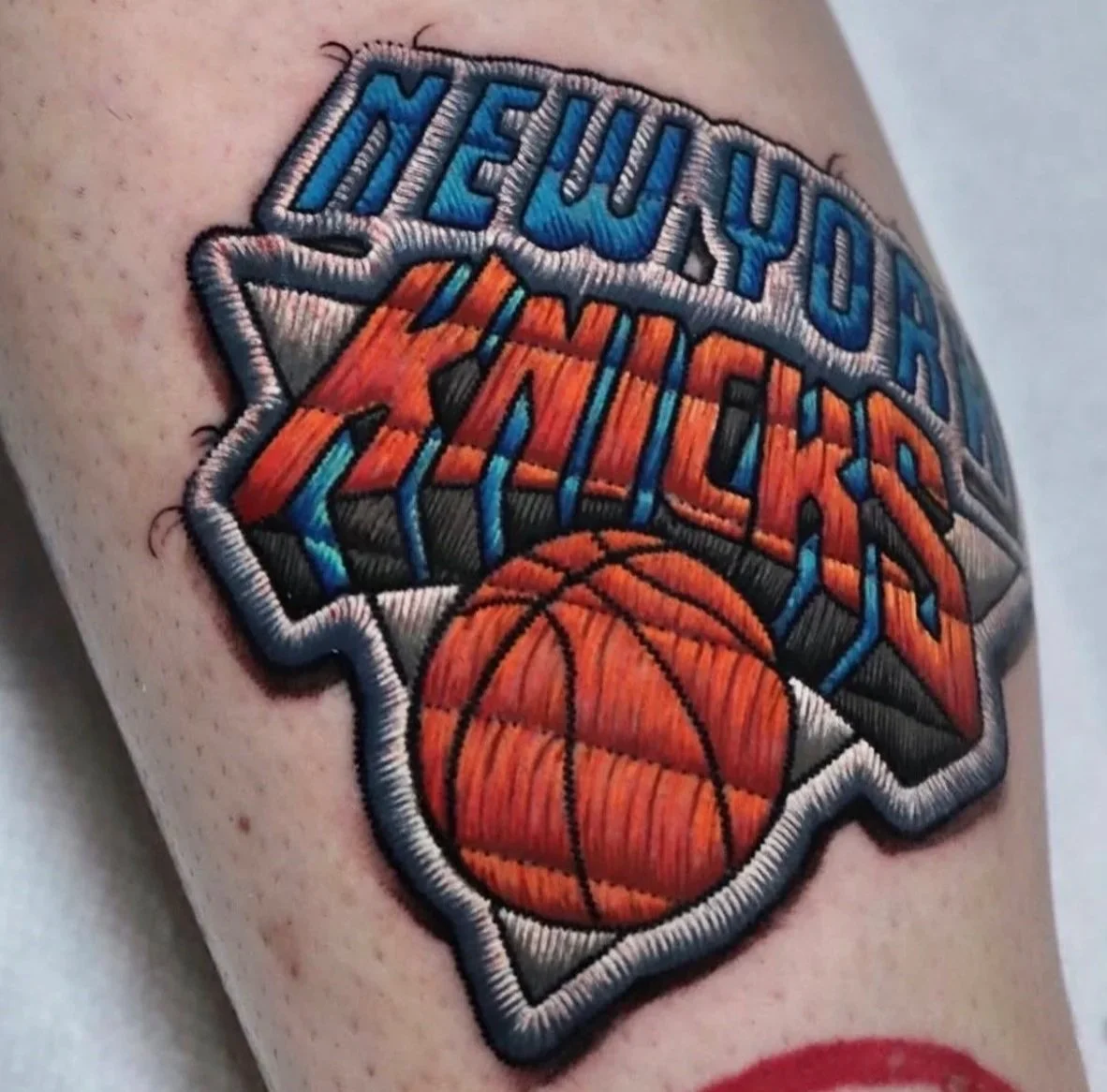
That's the real shift here. Sports fandom has always come with props — hats, scarves, foam fingers — designed to be put on and taken off as the mood strikes. A tattoo refuses that logic entirely. It says the moment wasn't just enjoyable; it was formative. Psychologists who study memory and identity have long noted that people tend to permanently mark experiences tied to belonging, grief, or transformation — weddings, military service, the birth of a child. Sports championships don't usually make that list. But for a fan base that's spent five decades absorbing playoff heartbreak, this one apparently qualifies.
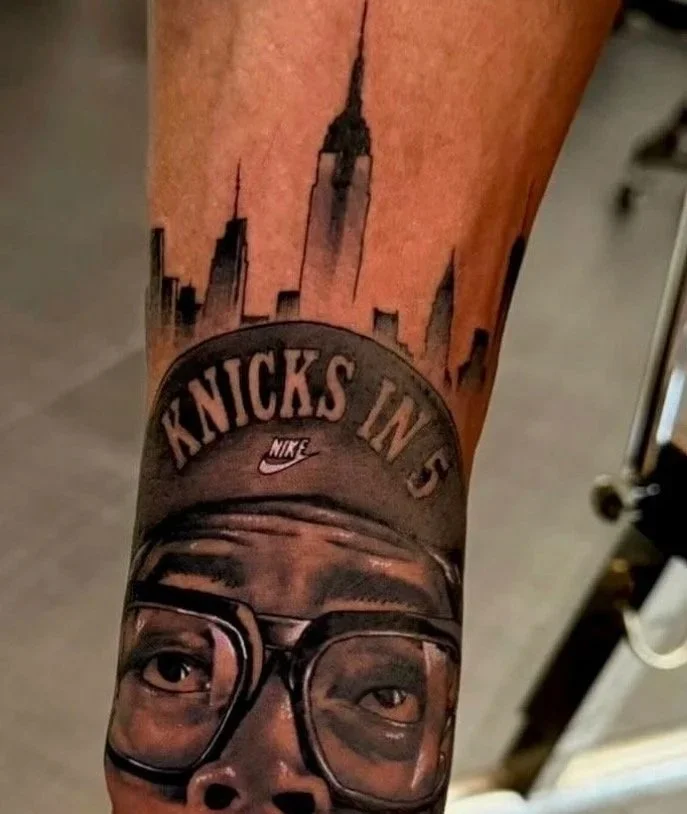
There's also something communal about it. A tattoo isn't just personal decoration; it's a signal, legible to strangers on the subway or at the gym, that says: I was there, in some sense, for this. In a culture where so much identity is curated and revisable — bios edited, photos deleted, opinions walked back — a permanent tattoo is almost defiantly old-fashioned. It can't be quietly retired if the team has a bad season.
Whether that's admirable devotion or a slightly reckless response to a good week in June is a matter of taste. But it says something real about how people process collective joy: sometimes the feeling is so large, so long-awaited, that temporary tributes just won't do. Some moments, fans have decided, deserve to be worn forever — not just felt.
