
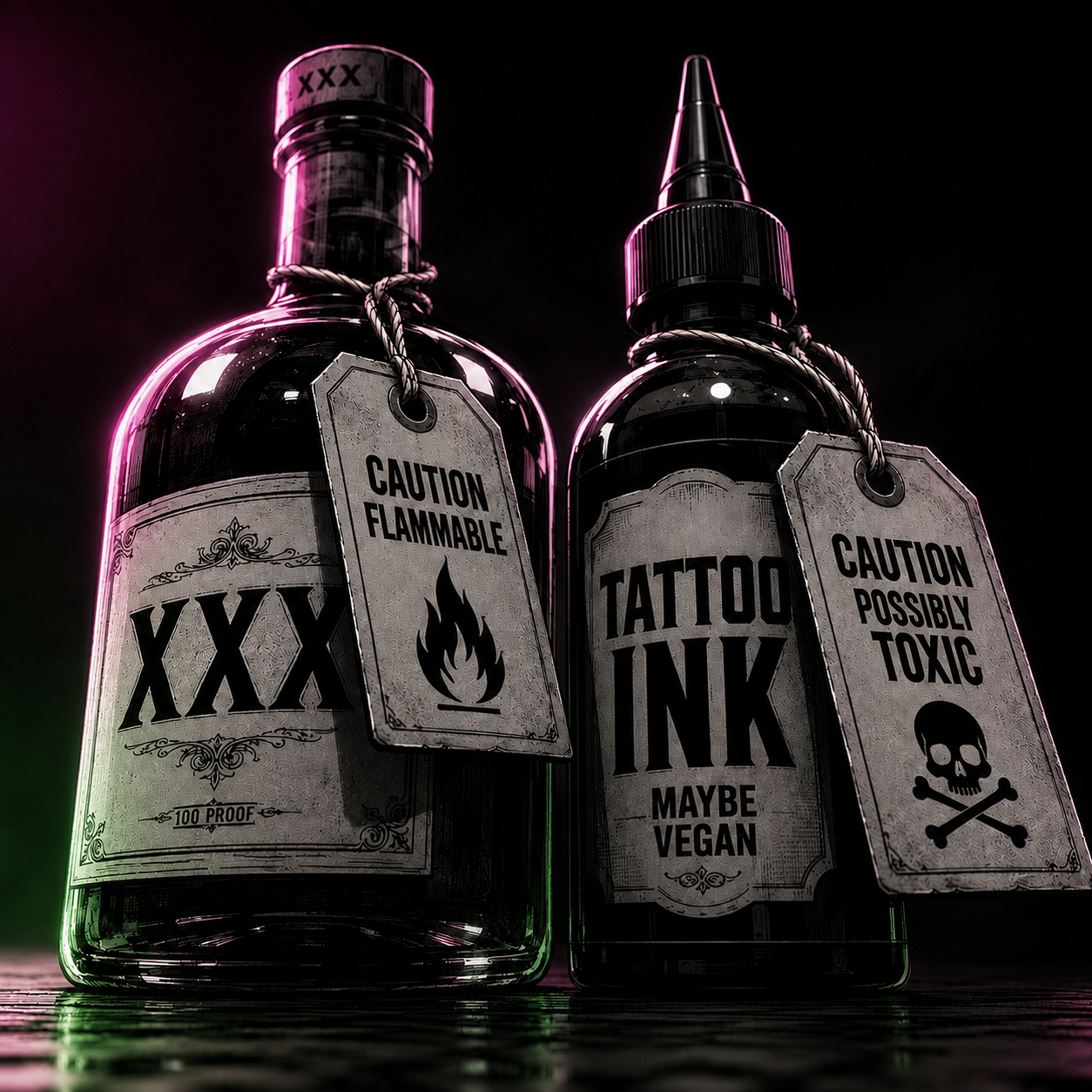
WHAT’S ACTUALLY IN THE BOTTLE?
A glass of wine passes through your system in about eight hours, tested the whole way. Tattoo ink stays under your skin permanently, and nobody's checking what's in it at all.
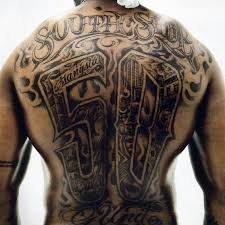
INSIDE THE INDUSTRY: LASER TATTOO REMOVAL , and THE CANVAS CURATION OF 50 CENT
Tattoo removal can require significant money, healing time and repeated procedures. Clients deserve technology chosen for their tattoo, but they also deserve an assessment precise enough for the skin carrying it.
The tools for more objective measurement have existed for nearly a century. Maybe it’s time science and technology stopped seeing skin in broad categories — and started accounting for the full spectrum .
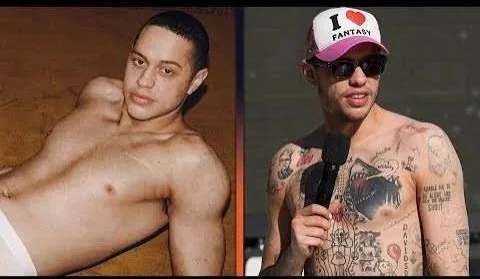
Pete Davidson's INK RE-VISION
For years, Pete Davidson was known almost as much for his tattoos as for his comedy. His arms, chest, and torso were once a dense patchwork of ink — jokes, cartoons, and tributes to people who came and went from his life. So when he showed up nearly bare-armed, most fans assumed the ink chapter of his story was over. Then came the twist: a small, deliberate new tattoo of his daughter Scottie's name, written vertically near his ear.
That contrast — years of erasure followed by one carefully chosen addition — is what makes his story worth unpacking.
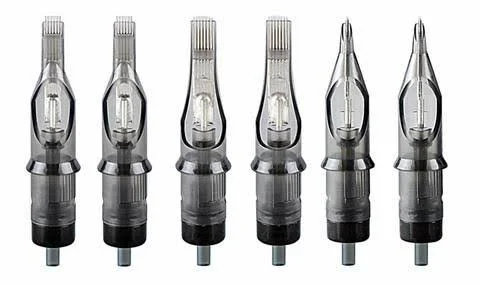
inside the industry : Needles
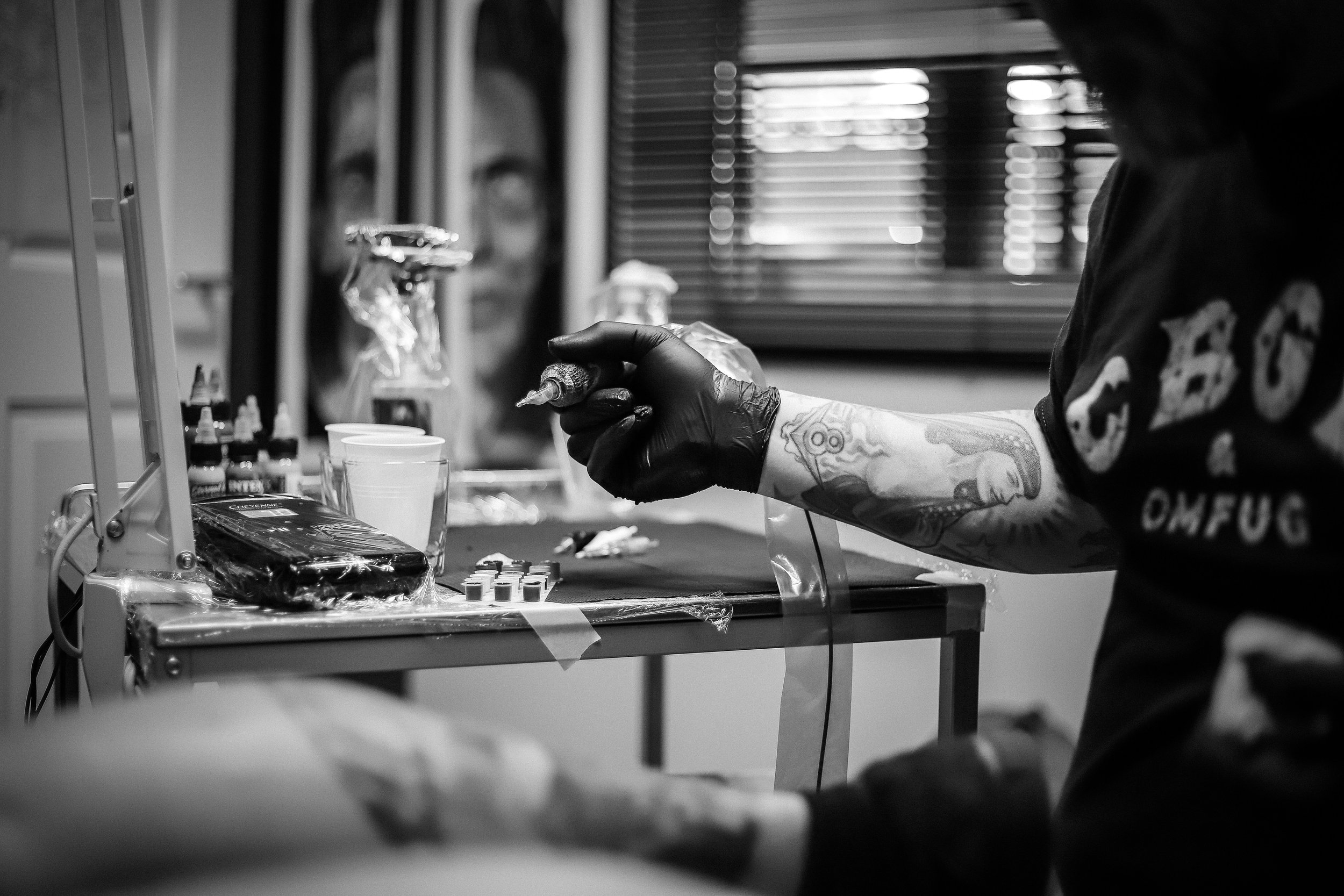
Years ago, many artists built, inspected, and understood every detail of the needles they used. Today, much of that responsibility rests with manufacturers. Artists now place their trust in the engineering, materials, manufacturing processes, quality control, and sterilization methods used before a cartridge is ever opened.

Zoë Kravitz : CANVAS CURATION
Zoë Kravitz built one of the most recognized tattoo collections in pop culture, not through one sweeping design, but through dozens of small, scattered pieces, a style now nicknamed the sticker sleeve, or sometimes the patchwork sleeve. Stars, dots, tiny words, and hand-poked charms accumulated across her arms over the years, less like a single tattoo and more like a personal scrapbook worn on the skin. It's a style often read as less serious than a bold traditional sleeve, small ink dismissed as an afterthought rather than a statement.
inside the industry.. last call for accountability
Alcohol eventually built TIPS to protect its frontline workers, and a testing system that verifies what’s actually in the bottle. Tattooing hasn’t done either. The industry could take real notes here, not just to shield artists from liability, but to protect clients from reactions that rarely get traced back to the ink itself, because most people assume any problem is the artist’s fault, not an unverified formula they were never told about. Hopefully the industry takes note and starts to enforce its own high standards and testing to secure the safety of clients and artists. Individual artists don’t have to wait for certification requirements that don’t yet exist, they can raise their own practices and education right now. And eventually, governing bodies could build standardized systems, simple enough for every company to adopt, so the whole industry can be monitored and its participants kept safe. Accountability isn’t just protection, it’s what lets an industry shed old stigma and grow into the legitimate, thriving craft it’s always had the potential to be. So ask about the ink, ask about the sterilization, ask about the training, whether you’re the one holding the machine or the one under it. Think before you ink.
INSIDE THE INDUSTRY: STENCIL EVOLUTION
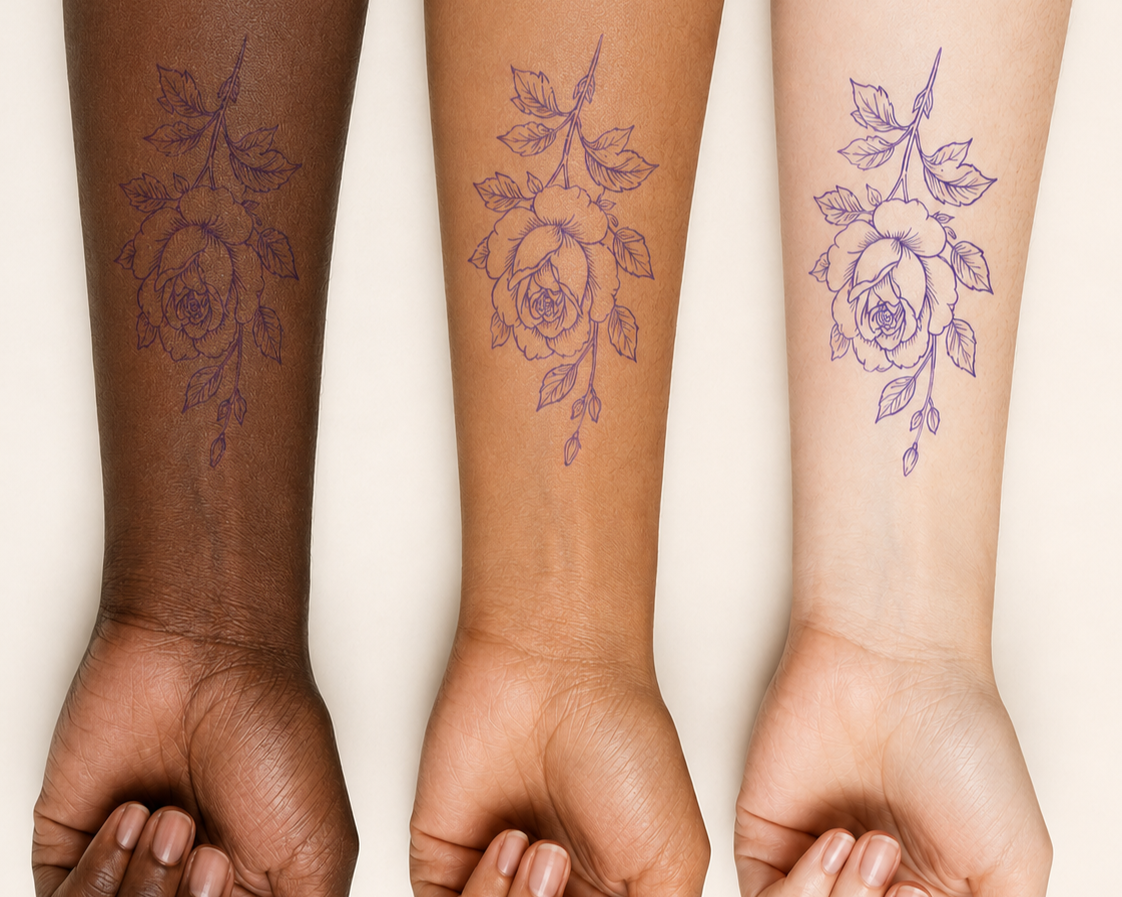
Before anyone printed a stencil, artists etched designs into acetate or celluloid, sometimes for hours. Then came hectographic pencils in the 1870s, and later carbon paper — faster, but still manual.
The real leap came in the 1970s, almost by accident. Tattooists raided office supply closets for 3M Thermo-Fax machines and found heat-transferred carbon made cleaner, more consistent stencils than hand-tracing. Lou Robbins gets credit for spotting it first. When 3M stopped making the machines, a paper manufacturer built a version for tattooing, and thermal transfer became standard almost overnight. Digital design finished the job: once artists drew on iPads, thermal printers gave a direct line from screen to skin.
Each shift took time and uncertainty out of the part before the needle touches skin, so the artist could spend more of the session on the part that matters. That's the lineage the newest tool is stepping into.
Placement Is the Punchline
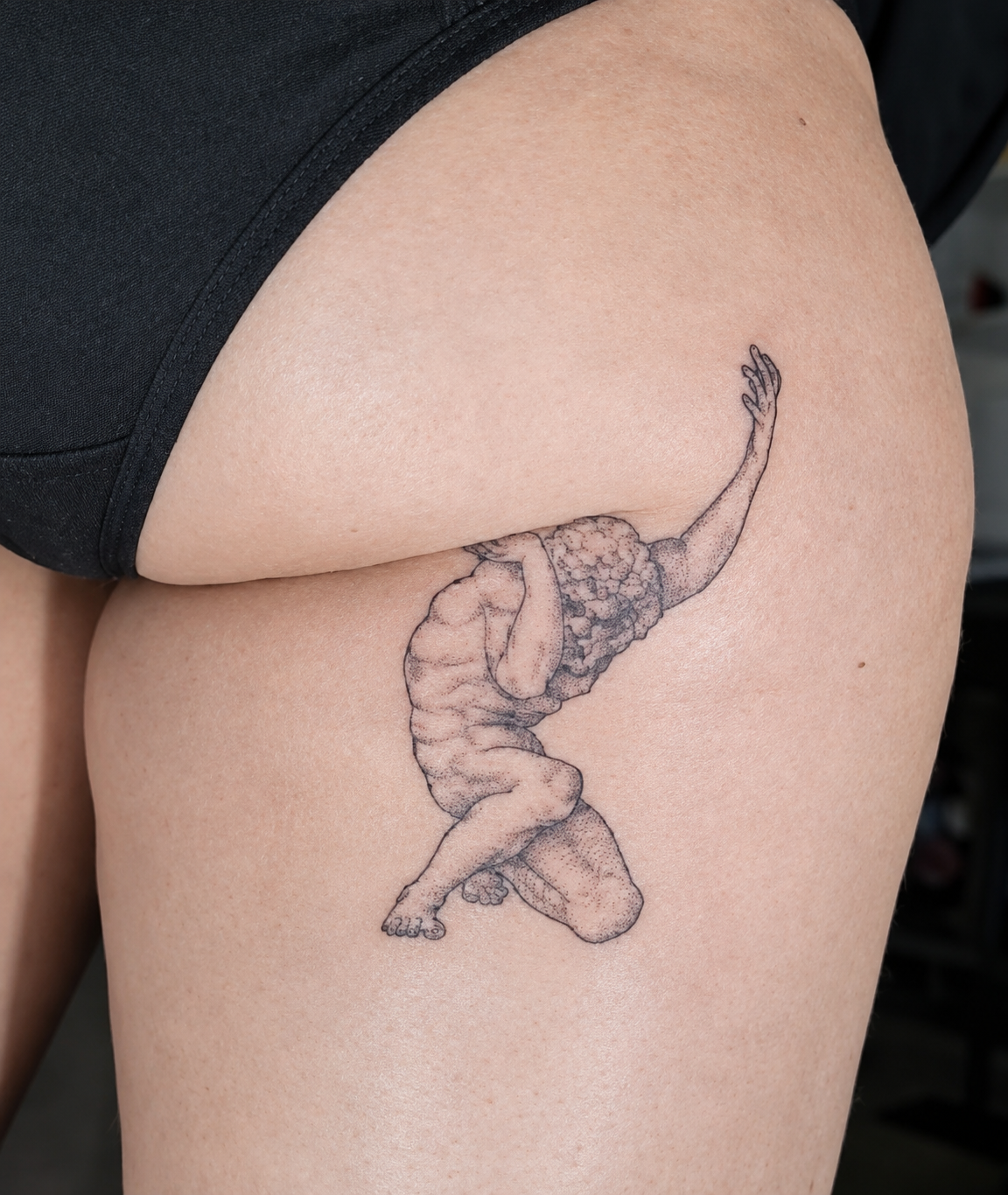
Placement Is the Punchline
Most conversations about tattoo placement end at the practical: Will it fade in the sun? Will it stretch with weight change? Will it show up at work? Those questions matter, but they treat placement as a liability to manage rather than a design element to exploit. The body isn't just a canvas — it's a mechanism. It bends, folds, flexes, and moves in ways that flat paper never will. And most tattoos ignore that completely.