
ink and immunity
Tattooing has grown far beyond its roots as a purely artistic trade. Modern studios now sit at the intersection of art, health, and client care — and one of the clearest signs of that shift is the growing need for nursing knowledge within the industry itself.
Tattooing and its sister industries have always managed the basics: sanitation, aftercare instructions, general skin-health awareness. But it hasn't gone much further to prepare for clients with unique medical needs. That gap becomes obvious with medical tattooing — scalp micropigmentation for a chemo patient with a compromised immune system, or areola tattooing for a mastectomy patient who may be immunocompromised, have surgical tissue at the site, and be on blood thinners that affect clotting. Many patients experiencing long term hair loss from treatments may get their eyebrows microbladed back on. These clients deserve a level of care the industry hasn't traditionally been built to provide.
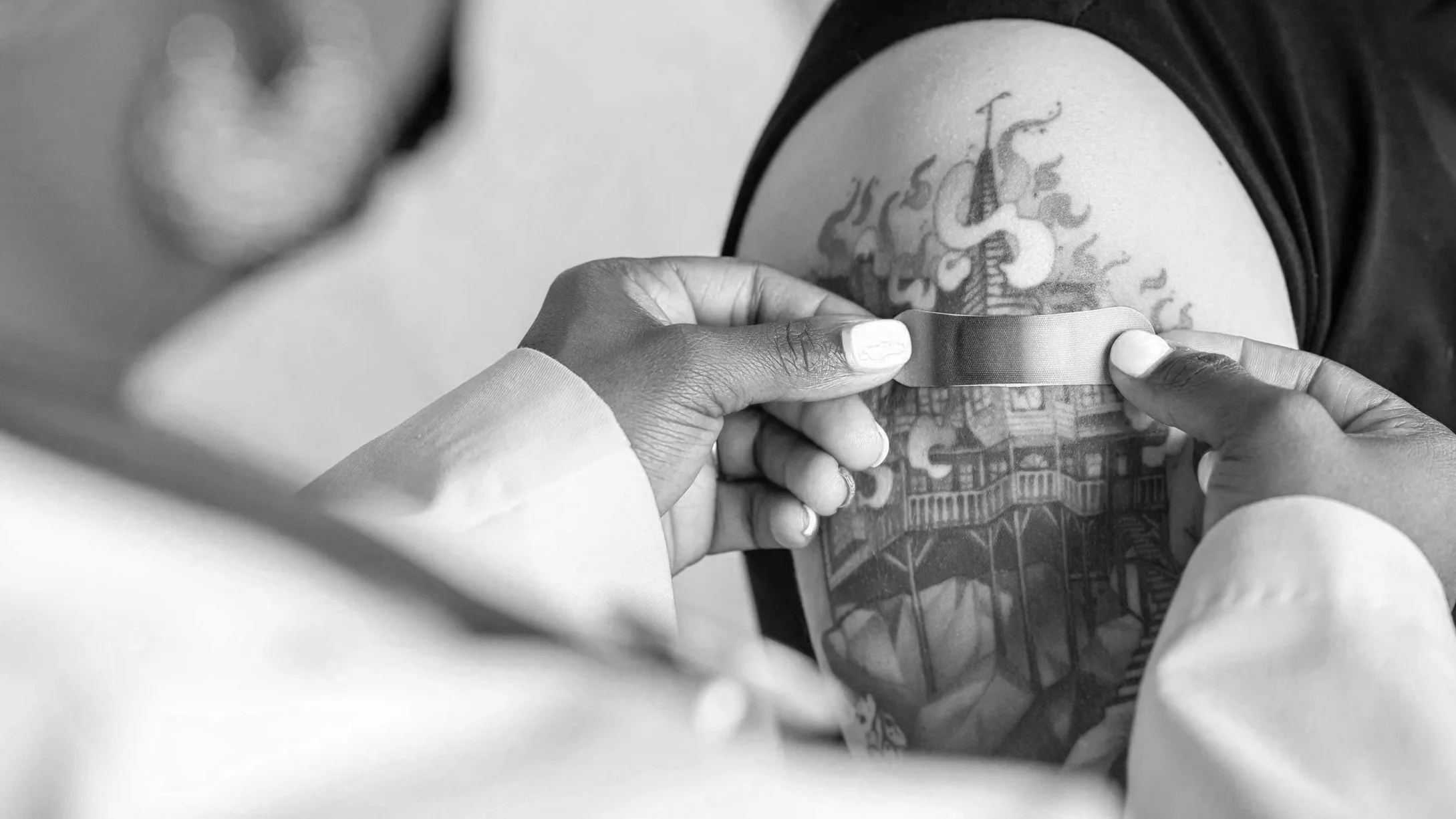
The same gap shows up around numbing agents and advanced healing methods. Many studios now offer topical or even systemic anesthesia, along with healing approaches like wet healing or second-skin bandages that go well beyond traditional aftercare. These tools genuinely improve the client experience, but problems can arise without detailed screening beforehand — and anesthesia, like tattooing itself, always carries some risk. That's not a reason to abandon these tools; it's a reason to make sure the knowledge behind them keeps pace with their use.
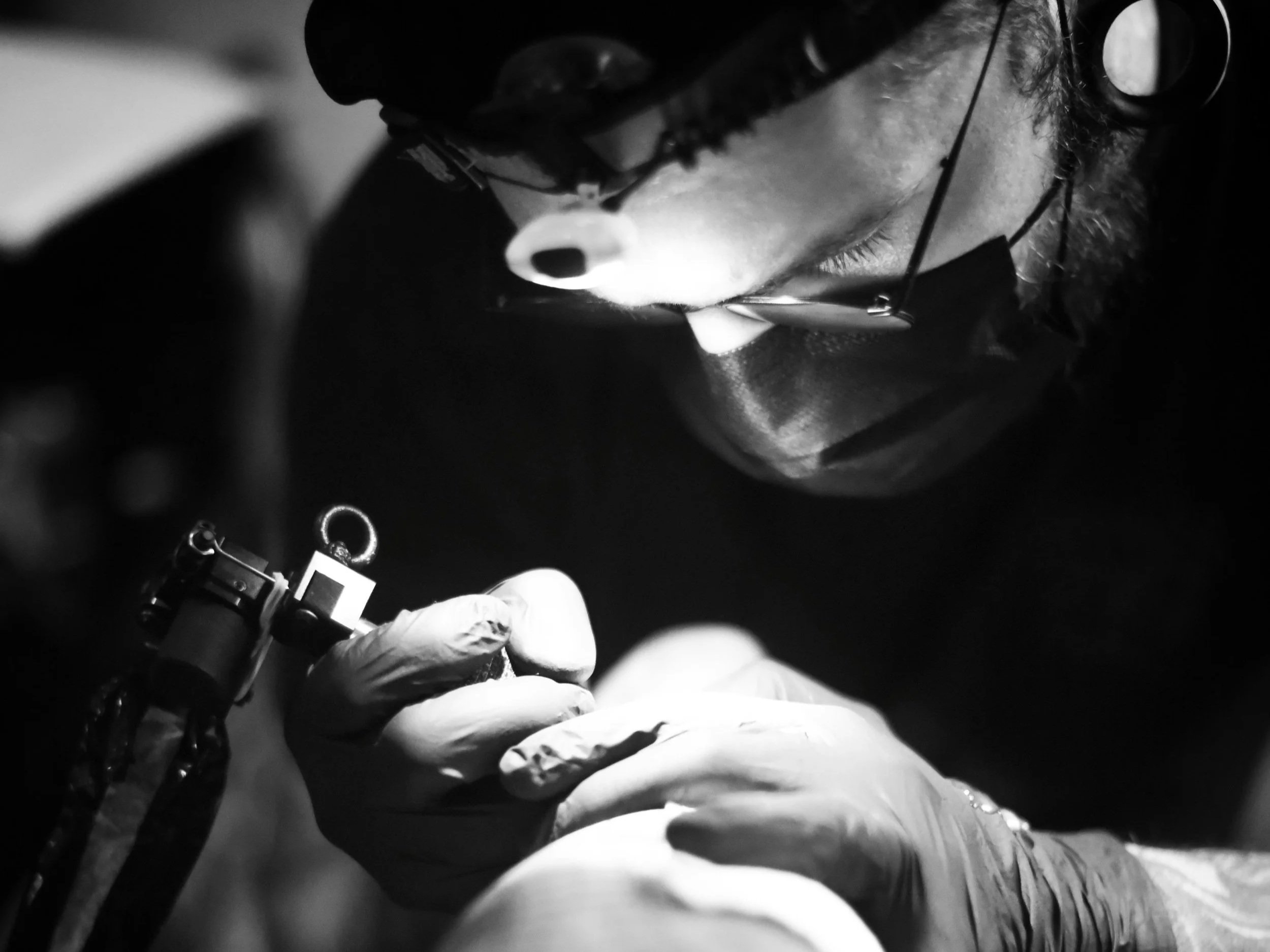
The industry has already begun to embrace increased education, and specific protocols. Unfortunately, thats the stopping point because this isn't as simple as bringing any nurse into a studio. Nursing education is built around general healthcare needs, not the specific intersection of skin trauma, pigment, and healing that tattooing involves. Even doctors, post-residency, would need an introduction to tattooing's effects on the body. Medical knowledge alone doesn't translate into expertise on how a needle interacts with compromised skin, or how ink settles into tissue healing from surgery or chemotherapy.
This isn't a knock on nursing — it reflects how nursing education already works. Even a core skill like starting an IV isn't guaranteed in every RN's training; there's no accreditation requirement for hands-on competency before licensure, so it depends on the program. Nursing isn't one uniform training path, which is exactly why the tattoo industry can't treat a nursing license as a plug-and-play credential. Real integration means specialized education: nurses learning tattooing, and artists learning medical nuance.
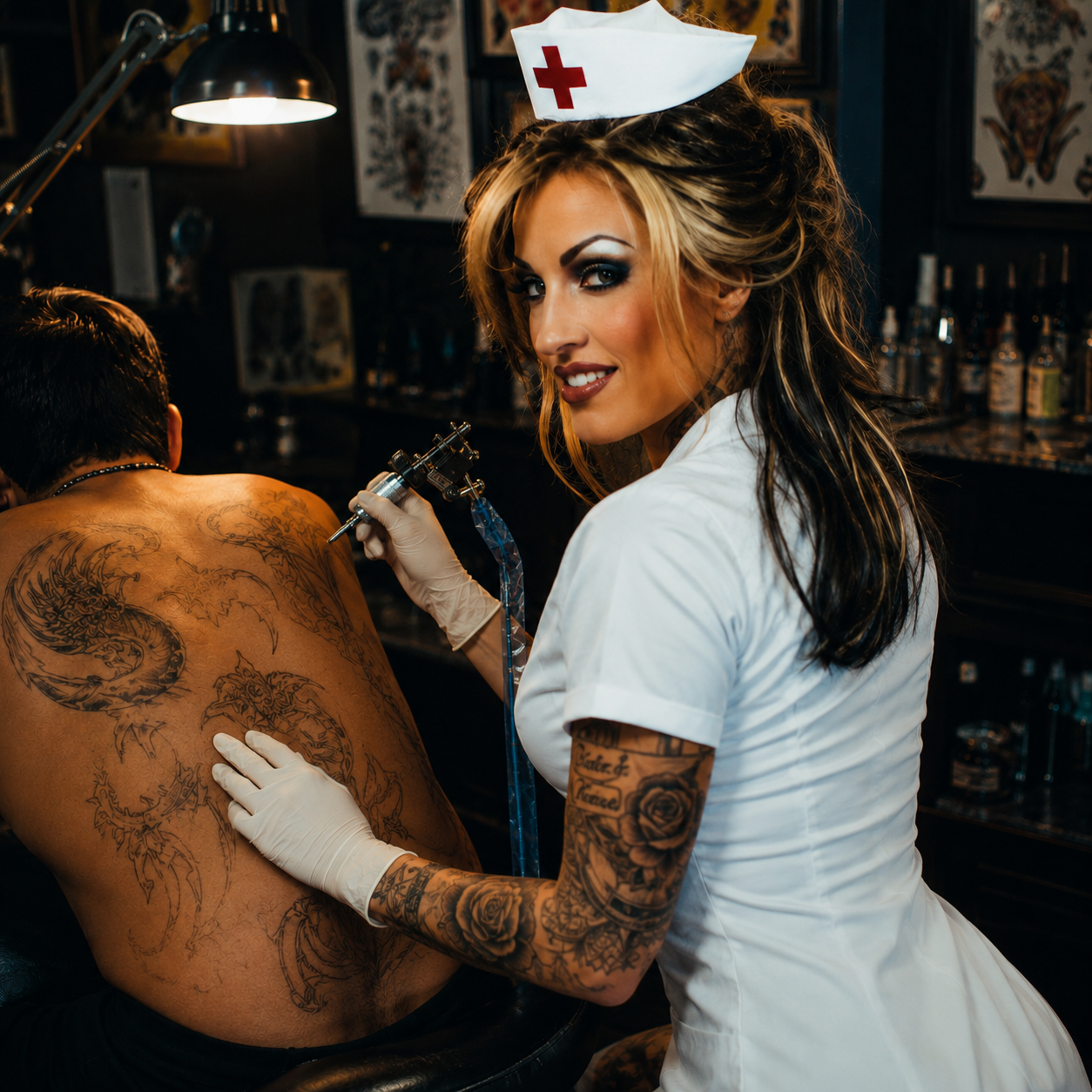
Opinions vary. Some see stronger healthcare integration as progress toward safer outcomes; others worry tattooing could become over-medicalized, losing the culture that defines it. Both views have merit — tattooing rests on artistry and personal expression, but also on responsibility and trust.
Nursing knowledge isn't replacing tattoo culture; it's supporting it, filling in preparation the industry never quite built. Tattoos are a major investment and a luxury service that deserves safety and communication. Some shops have recognized this, creating in-house nursing roles as a hotline for prep, questions, and aftercare. The most successful studios won't just produce beautiful tattoos — they'll be ready to nurture every client who sits in the chair, especially the ones who need it most.
