
love thy ink , love thy self
Tattoo acceptance has changed dramatically over time. For much of modern history, tattoos were linked to rebels, bikers, criminals, & other groups outside mainstream society. Visible tattoos affected career opportunities, social interactions, and public assumptions before people even spoke a word. Today, society is far more accepting of tattoos and personal expression, now embracing people from nearly every profession and background. Healthcare workers, teachers, executives, athletes, & business owners now openly wear tattoos, reflecting a major cultural shift.
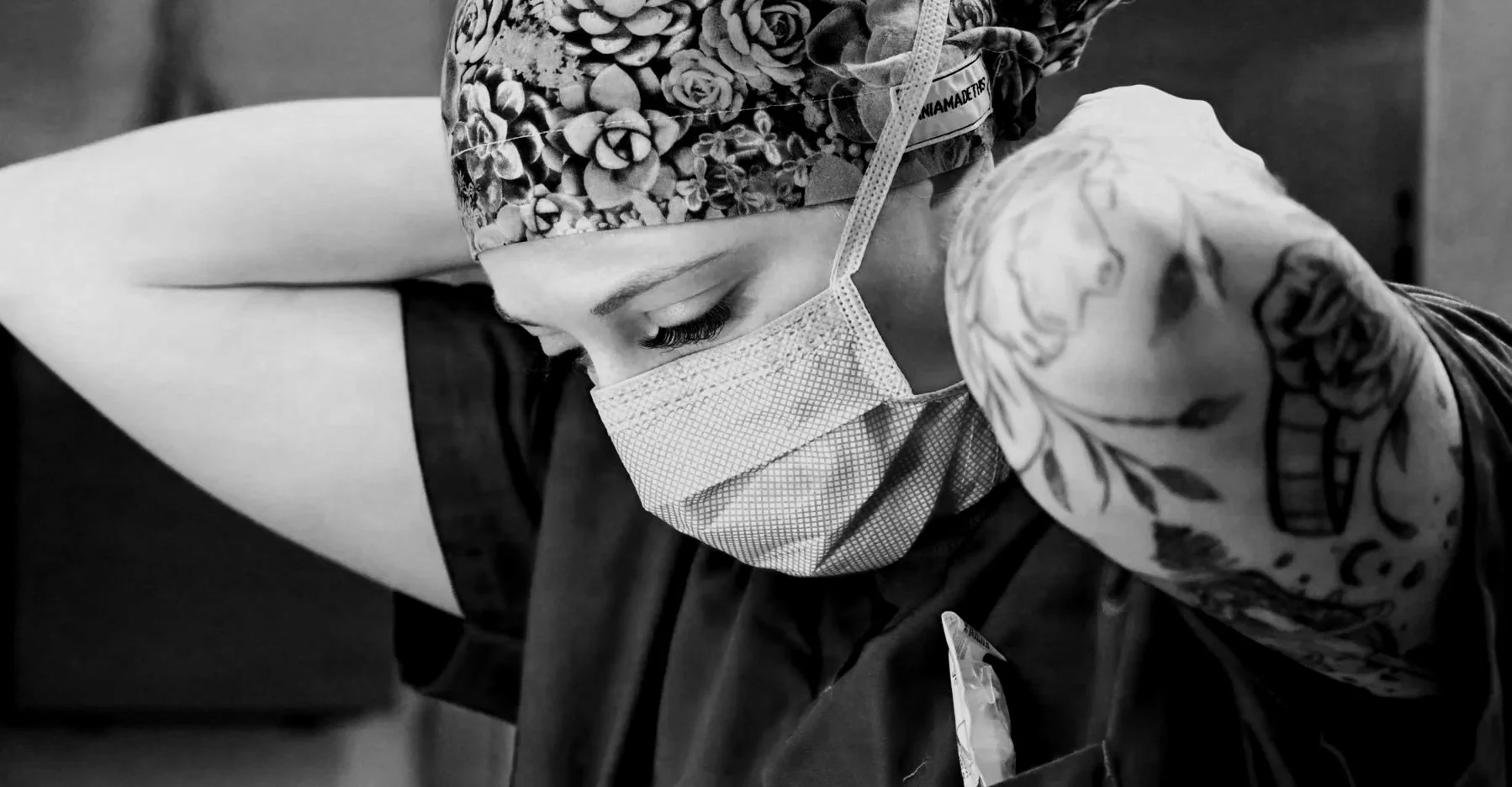
The workplace clearly shows this change. In the past, visible tattoos were often considered unprofessional and could prevent someone from being hired. As tattoos became more common, many employers reconsidered these assumptions. Many companies now focus more on skills, character, and performance rather than body art.
However, acceptance is not universal. Some professions, including law enforcement, military organizations, government agencies, and certain public-facing roles, still maintain appearance policies to preserve professionalism and public trust. Even some creative industries can present challenges. For example actors may cover tattoos for certain roles, while models may avoid highly visible tattoos to maintain flexibility with brands & agencies, committing to the aesthetic advertised in their current modeling portfolios.
Public attitudes have also evolved. Tattoos which were once strongly associated with rebellion or poor decisions, now are more commonly viewed as expressions of identity, creativity, remembrance, and personal storytelling. While some stereotypes remain, they carry much less influence than ever before.
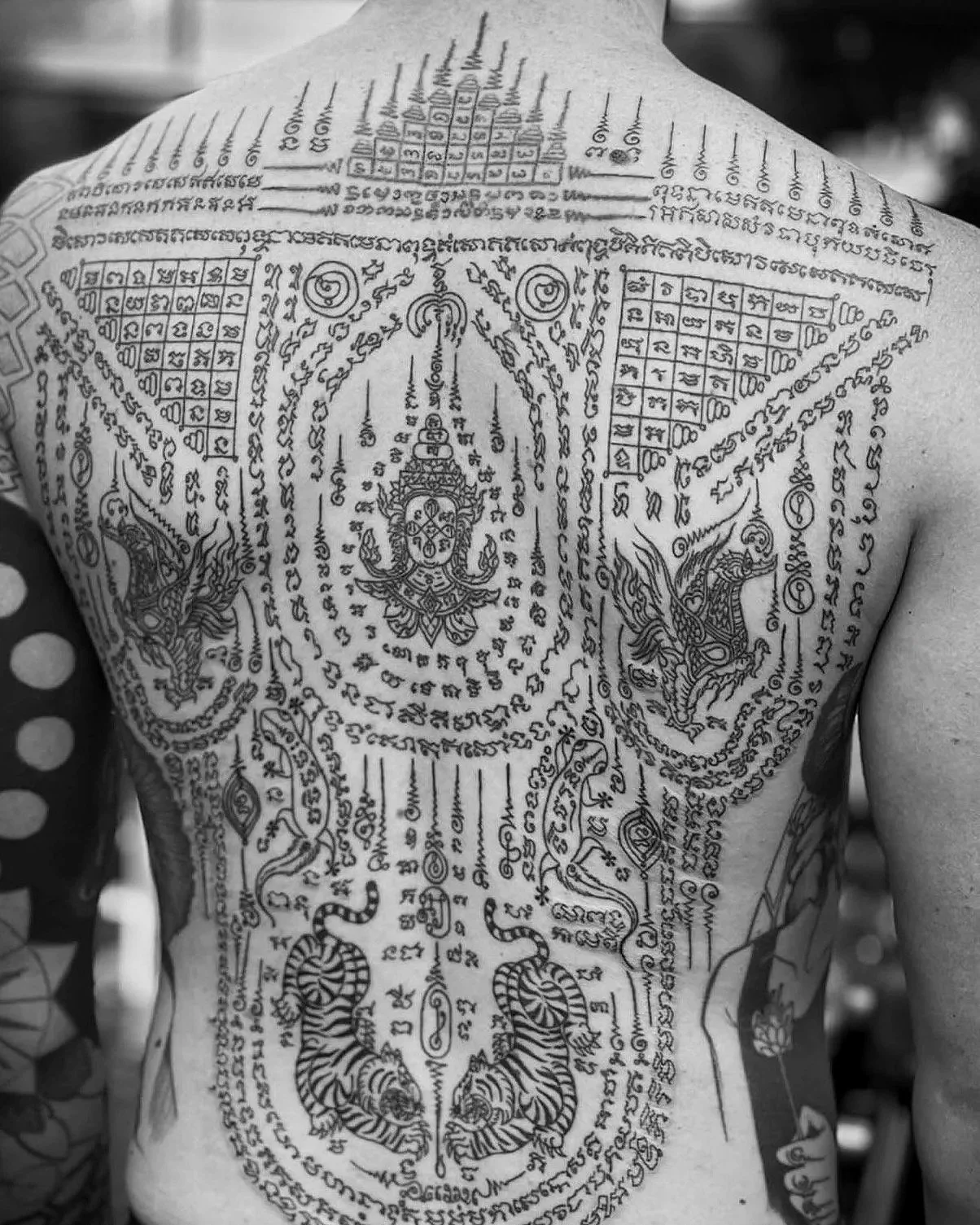
Cultural and religious beliefs add another layer to this evolution of mindsets. In many cultures, tattooing has long held deep meaning , and has been a long respected tradition rather than a controversial practice . Polynesian tattoos often represented genealogy, social identity, ancestry, status, and spiritual connections. Traditional Filipino tattooing practices also marked achievements, status, protection, and rites of passage, while Sak Yant tattoos in Southeast Asia functioned as sacred tattoos associated with blessings, protection, and spiritual or ritual purposes.
At the same time, some religious traditions discourage tattooing. If the body is a temple and most temples are ornately decorated, why not your own? This discussion has evolved but certain interpretations of Judaism and Christianity have historically viewed tattoos as inappropriate body modification. While modern adaptations have become more accepting, not all feel the same. In some religions this is considered very serious, with rules affecting those who are tattooed even after death, with a ban on burials in particular cemeteries.
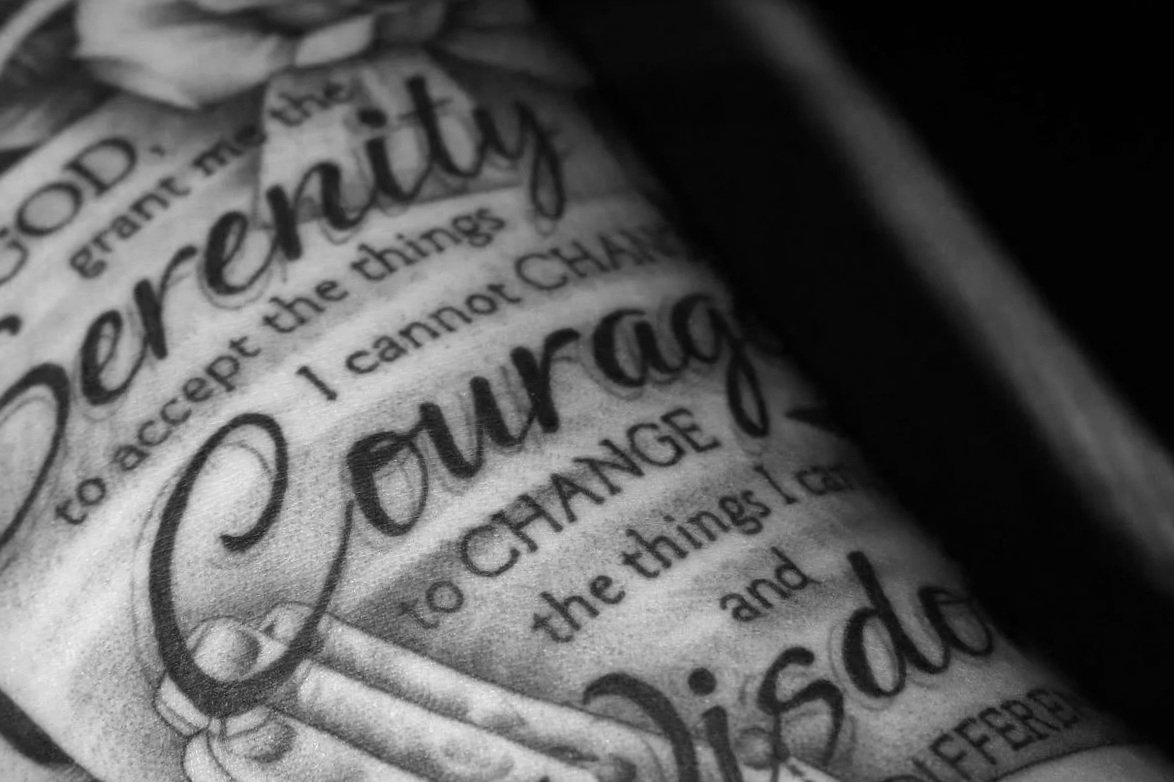
These differing viewpoints illustrate how acceptance is often shaped by cultural, spiritual, and historical context. What one community views as sacred, another may view as inappropriate. Although they may have opposing viewpoints, these beliefs and opinions do not exist in a vacuum. Both perspectives are rooted in traditions that have developed over generations.
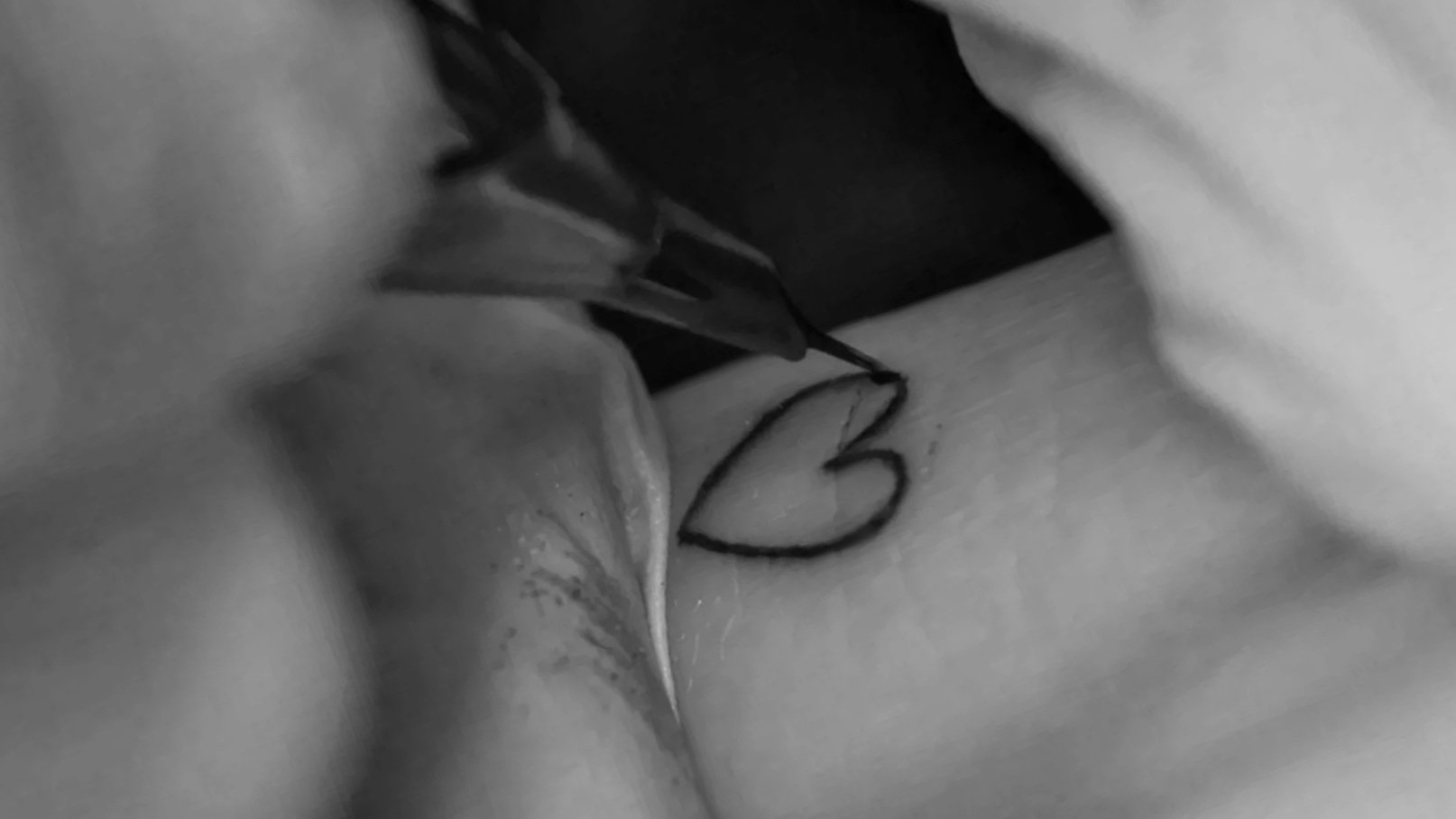
Perhaps the most important form of acceptance has nothing to do with employers, religion, or the public. Often we forget the most valuable form is personal acceptance and loving your canvas unconditionally. For many tattoo collectors, becoming tattooed is not simply about accumulating artwork. It is about learning to embrace change. Sleeves evolve. Plans shift. Styles mature. Coverups happen. Empty skin becomes filled. Over time, tattoos age alongside the body that carries them. Tattoos often become records of experiences, beliefs, milestones, and personal growth.
Even as artists, we have to accept that our artwork lives on an organic form and as life changes, tattoos change with it. Bodies age, styles evolve, and meanings may shift alongside mindset. A person's weight can fluctuate, their body can go through changes like surgery or pregnancies, all affecting how tattoos will look over time. A design that represents one chapter of a person’s life today, may have a completely different meaning later on in life.
An everchanging sense of style, especially in fashion, will adorn your design differently each time changing the overall aesthetic and possibly even outsider perceptions of the significance of the tattoos. In the end, tattoos become part of a much larger masterpiece: the person wearing them. The process of self-acceptance can be surprisingly challenging.
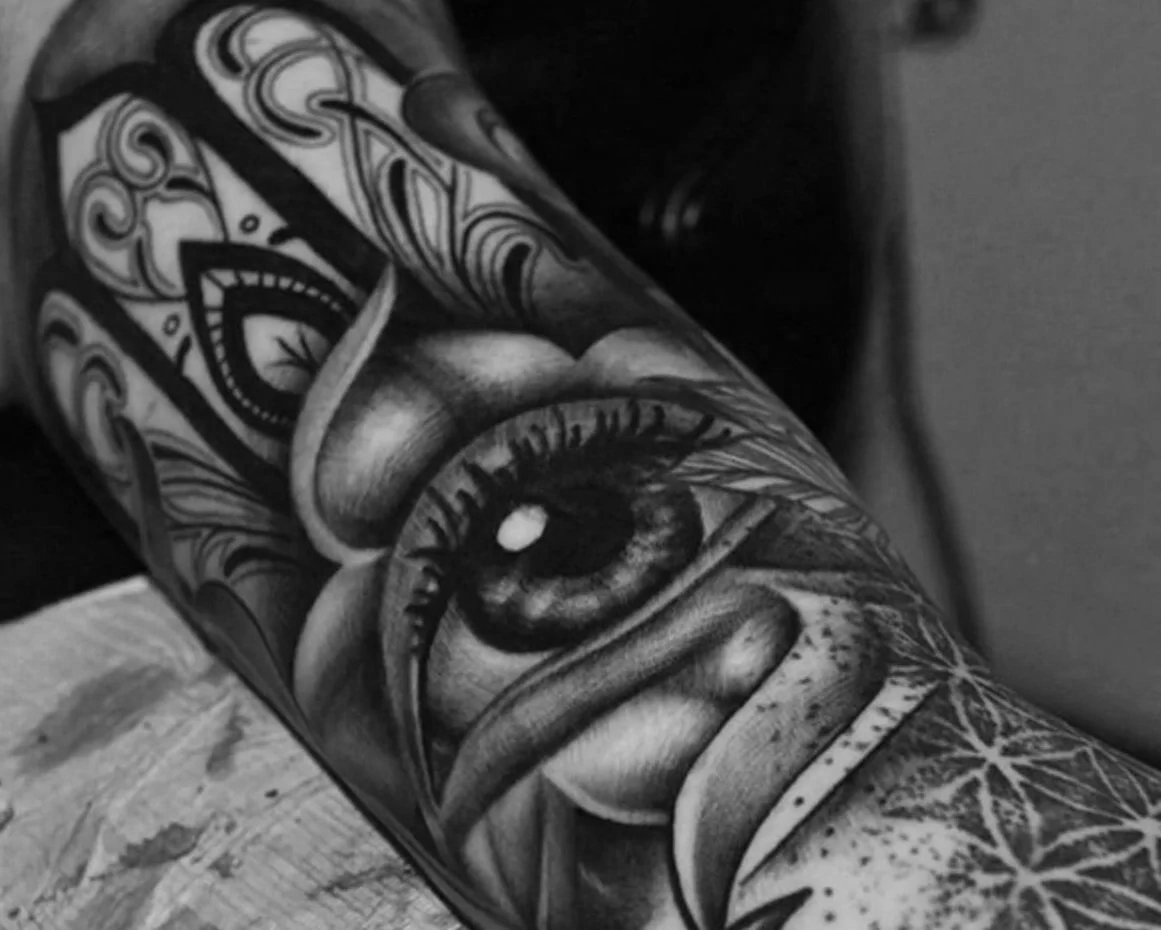
Whether learning to accept your current canvas, or planning your next big piece take time to reflect on what it means to you. The most meaningful acceptance will never come solely from society. It begins with understanding your own journey, and making choices that align not only with who you are today, but with who you choose to become tomorrow.
How will your future self wear YOUR story?
