
Tattooist or Tattoo Artist?
Are tattoo artists truly artists, or are they tattooists? While the difference may seem small, it raises larger questions about creativity, ownership, expression, and the purpose of tattooing itself. Some believe tattooing should be viewed like any fine art form, but tattooing in comparison to other artforms is very unique. Tattoo artists often spend years developing recognizable styles, refining techniques, and creating original work that reflects their personal vision. From this perspective, tattooing is an artistic practice where the goal is to create something unique and contribute to the evolution of the medium.
Artists who build a distinct style naturally want to focus on work that fits their creative identity.
Others see tattooing differently. They view themselves primarily as craftspeople and collaborators whose role is to help clients turn personal ideas into reality. In this view, the tattoo belongs to the client before the process even begins. The tattooist acts as a translator, transforming someone's memories, emotions, experiences, and stories into a permanent design. It becomes a digestible visual expression that gives form to thought and emotion.

Both perspectives contain truth because tattooing exists in a space unlike any other art form. Unlike painters or sculptors who create work for galleries or public spaces, tattooers work directly on people. Every client arrives with unique experiences, emotions, and motivations. The tattoo is not simply a piece of artwork; it becomes part of someone's identity.
Traditional artforms often gain value through public observation and interpretation. Paintings and sculptures are meant to be viewed, discussed, and judged by an audience. More times than not, that information is personal to the viewer and often not even expressed outloud. Mostly the artist's intention might never be discovered, and may not ever align with how the artwork had been interpreted over time.
Tattooing works differently. Although tattoos are visible to others, their primary audience is often the person carrying them . A small symbol may represent a lost loved one, while another simple design may mark an important life event. What appears one way to a stranger, can carry powerful emotional meaning to the individual wearing it. Not only could it be a reminder of the inspiration for the design or the experience of getting the tattoo, but it may earn more meaning , good or bad, through the judgment of outside perspectives to the person wearing the ink.

This makes the tattooist-versus-artist debate more complex. A tattoo's meaning does not exist only within the design itself; it exists in the relationship between the tattoo and the person carrying it. Once the tattoo leaves the studio, the creator no longer fully controls its meaning. Even past legal cases have highlighted this argument . Court cases involving professional athletes and video game companies questioned who controls tattoo designs once they exist on a person's body. Courts generally ruled that tattoos become part of an individual's likeness, meaning people have rights over their own image and identity
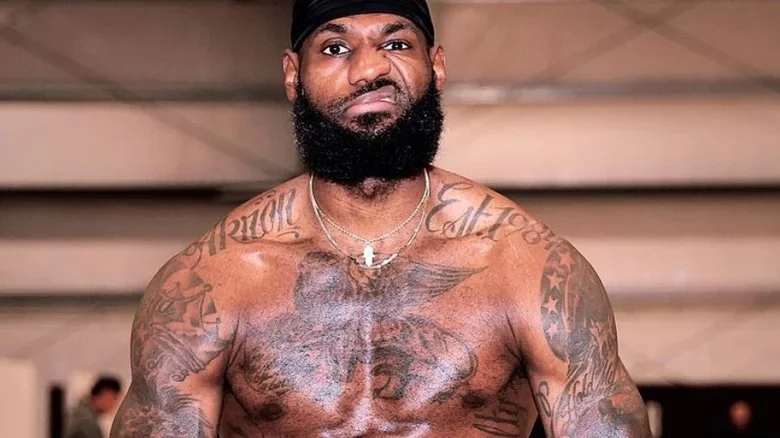
The creation of the mark, the display of the art and the interpretation of the art does not lie solely to any one party.. No single person completely controls what it ultimately means or how it will evolve. Not many artists of other mediums, are blessed with the chance to have their artwork travel the world, carrying constant access to “word of mouth”, and in many scenarios constant display. Whether seen in a photograph or witnessed in person, a tattoo is simultaneously art, craftsmanship, collaboration, and personal expression — and often, it carries on existing that way for a long time."
Choosing an artist to visually express something so important, should not be taken lightly. In the end, a tattoo may be seen by thousands of people, but its deepest meaning often belongs to only one: the person who wears it. For artists the same is true, choosing what will visually represent you and your artistry, while being carried with your canvas everyday of their lives, can be also very important. The strongest artists often balance creativity with responsibility, and know when to be more of a vessel to help somebody express their own story.
