
Remove, retouch, or REJUVENATE!?
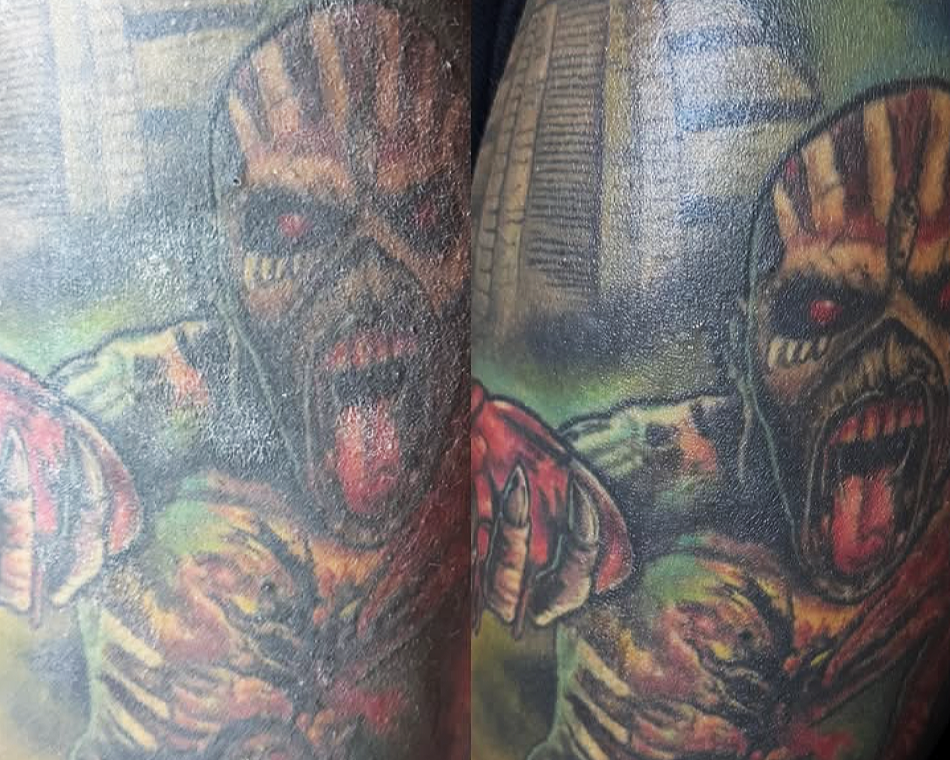
Every tattoo fades. Lines soften, colors dull, and skin ages around the art in ways no amount of moisturizer can fix. If the client isnt looking to remove the tattoo, the usual answer has been a touch-up. In recent years, a less invasive option is starting to make noise in tattoo shops — microdermabrasion.
For anyone unfamiliar, microdermabrasion is a cosmetic technique that gently sands away the outermost layer of dead skin using a fine abrasive tool or crystals. It's been a staple in dermatology and skincare for years, mostly used to smooth texture, fade sun spots, and brighten dull skin. Applied to tattoos, the idea is simple: strip away the thin layer of dulled, sun-damaged skin sitting on top of the ink, and what's underneath looks brighter and sharper — without breaking the skin the way a traditional touch-up does.
That's the real appeal here. A touch-up re-introduces pigment with a needle, which means more trauma, more downtime, and more risk of the tattoo shifting slightly from the original. Microdermabrasion doesn't add anything — it just reveals what's already there, faster and gentler.
Artist : unknown
There's also a regulatory quirk driving this trend. In places like New York City, a licensed tattoo artist who also holds a microdermabrasion certification can legally perform the treatment right in the shop where the tattoo was originally done. No referral to a dermatologist, no separate medspa visit — just an add-on service from someone who already knows the piece.
Pricing reportedly runs anywhere from $50 to $500, scaling with the size of the tattoo, which puts it in an interesting spot: cheaper than a full touch-up in many cases, but still a real revenue line for shops.
Which raises the bigger question — is this the tattoo industry's next real upsell? Shops are always looking for services that keep clients coming back without requiring a whole new session. A quick, lower-cost "refresh" appointment could become a natural checkpoint every few years, almost like a dental cleaning for your ink. For clients, it's a lower-commitment way to keep decades-old pieces looking presentable. For artists, it's a new certification worth having and a new line item worth offering.
Whether it becomes an industry standard or a niche add-on will depend on how consistent the results actually are across skin types and ink ages. But as a concept, it's a smart one — less invasive, more accessible, and built around treating the tattoo as something worth maintaining, not just something you get once and let fade.
