
south carolina vs. tattoos
In 1961, a city health department looked at a wave of jaundice and liver failure sweeping through its patients, and pointed a finger at tattoo parlors. It was a convenient target, but hardly the only explanation. New York was in the grip of a heroin epidemic then, with users sharing reused syringes, the same kind diabetics kept at home and sterilized simply by boiling them in water. Add to that the liver damage caused by heavy drinking, which produces identical jaundice, and doctors had no reliable way to tell any of these apart. Officials were diagnosing a disease they couldn’t yet define, since the antigen marker that would eventually identify hepatitis B wasn’t discovered until 1965, and it took until 1967 to confirm that marker was linked to hepatitis B specifically, 6 years after the ban was already law.

Meanwhile, the institutions that could actually have been at fault faced no scrutiny at all. Hospitals had autoclave sterilization since the 1870’s, yet accreditation through the Joint Commission remained voluntary until 1965, when Medicare tied its funding to it. Until then, hospitals reused glass syringes and metal needles with nobody checking whether sterilization was done correctly. It took HIV and OSHA’s 1991 Bloodborne Pathogens Standard to finally force hospitals nationwide to switch to disposable sharps, three decades after tattooing was banned over the same original concern.
Tattooing had operated openly in the city since the 1870, when Martin Hildebrandt opened what’s considered the first professional tattoo studio in America, and it boomed after Samuel O’Reilly patented the electric tattoo machine in 1891. For nearly 90 years it ran without incident, then, seemingly overnight, the city skipped past regulation entirely and went straight to a total ban.

Despite decades of tattoo artists working underground across the Lower East Side and Coney Island, the city never documented a single case of hepatitis B transmitted by tattooing, and never once shut down an illegal parlor during the 36 years the ban stood. This wasn’t part of any coordinated public health response either, the CDC had no tattoo specific program at the time. There was no model code guiding any of this, which is exactly why the ban was so unevenly applied. Just over the county line, Nassau and Suffolk never adopted anything close to a ban. People seeking tattoos crossed into Long Island, just as Massachusetts residents drove to Rhode Island once their own state banned the practice in 1962.
South Carolina tells a strikingly similar story, decades later. The state banned tattooing entirely until two thousand four, one of the last two states in the nation, alongside Oklahoma, to legalize it. Artist Ron White fought that ban to the state Supreme Court in 2002 and lost, the court ruling tattooing wasn’t constitutionally protected. That loss pushed lawmakers to legalize it by statute two years later, bundled with restrictions that had nothing to do with safety, a criminal ban on tattooing anyone’s head, face, or neck, and a rule barring tattoo facilities within 1000 feet of any church, school, or playground. A Charleston city councilman at the time openly said tattoo parlors were, quote, connected with drugs, porn, and pedophiles.
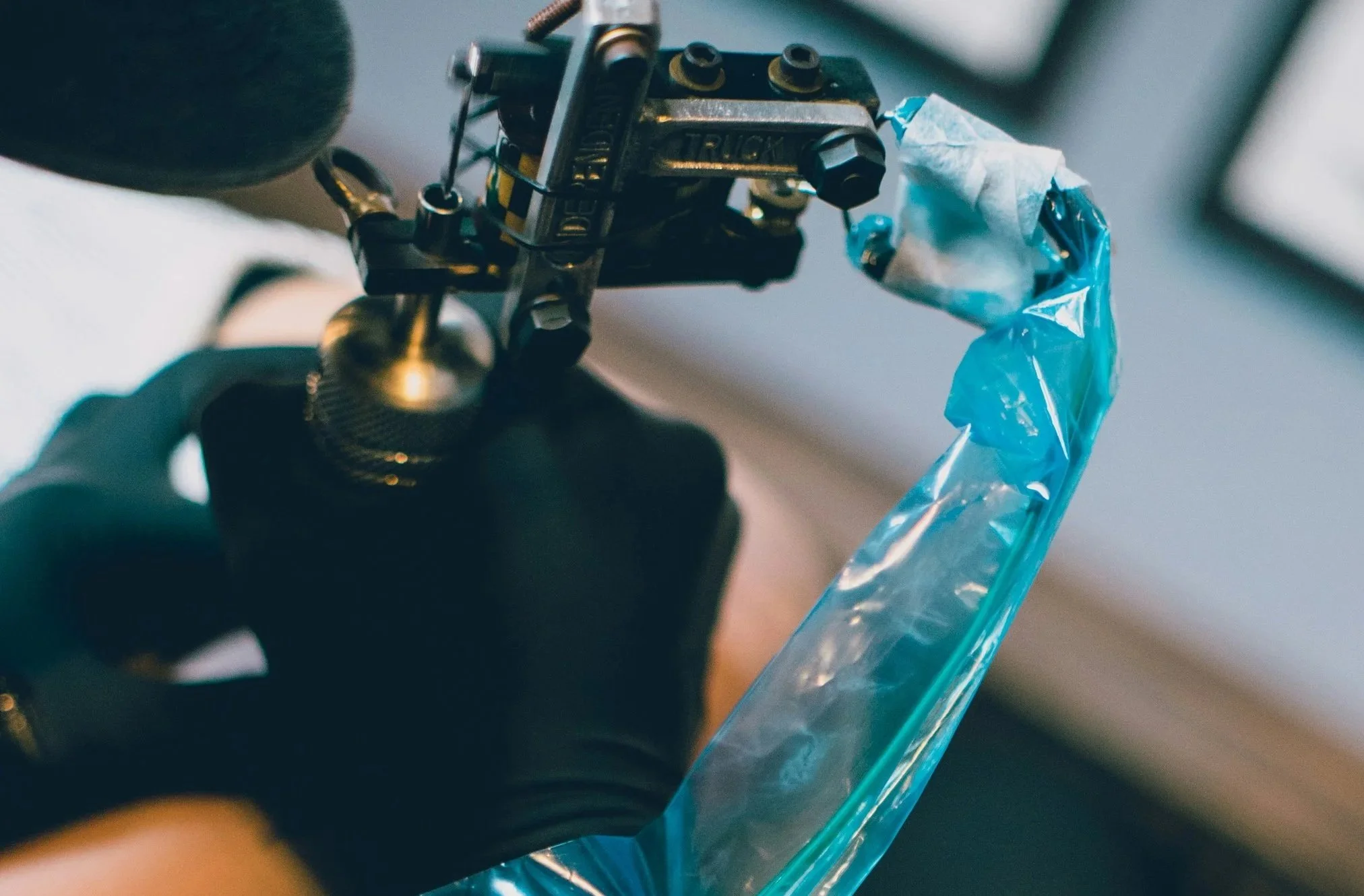
That 1000 foot rule is now the subject of a federal lawsuit filed this past July by Tiny Zaps Company, arguing the restriction makes it effectively impossible to open in Charleston’s church dense historic core. That exact distance isn’t unique to tattooing either, it’s the same buffer the Supreme Court upheld for adult theaters in 1986, compared to liquor stores, which face only a 300 foot buffer, or body piercing, with no distance restriction at all.
There’s also an irony in the grandfather clause. When the 2004 bill passed, it exempted existing tattoo locations from the buffer rule, but at that exact moment there were zero legal shops in the state to protect. The exemption was built for NOBODY, and it’s tied to the location, not the business, so a shop closing for a few years likely forfeits it for good.
Sixty years and 800 miles apart, New York and South Carolina made the same choice: legislate the fear, not the facts. Until states band together around a shared, evidence-based approach, that choice will keep getting made, again and again, state by state. The evidence is all there, you just have to ask for it.
