

the end of gatekeeping, the ink education evolution
or many years, becoming a tattoo artist followed a traditional path: finding a mentor and completing an apprenticeship. Tattooing was learned directly from experienced professionals, and knowledge about techniques, business practices, and industry skills was often closely guarded.
Today, tattoo education has changed significantly. Online courses, social media, podcasts, webinars, conventions, and digital mentorships provide aspiring artists with access to information that once required years of networking and observation. Many barriers that previously limited entry into the industry have been reduced.
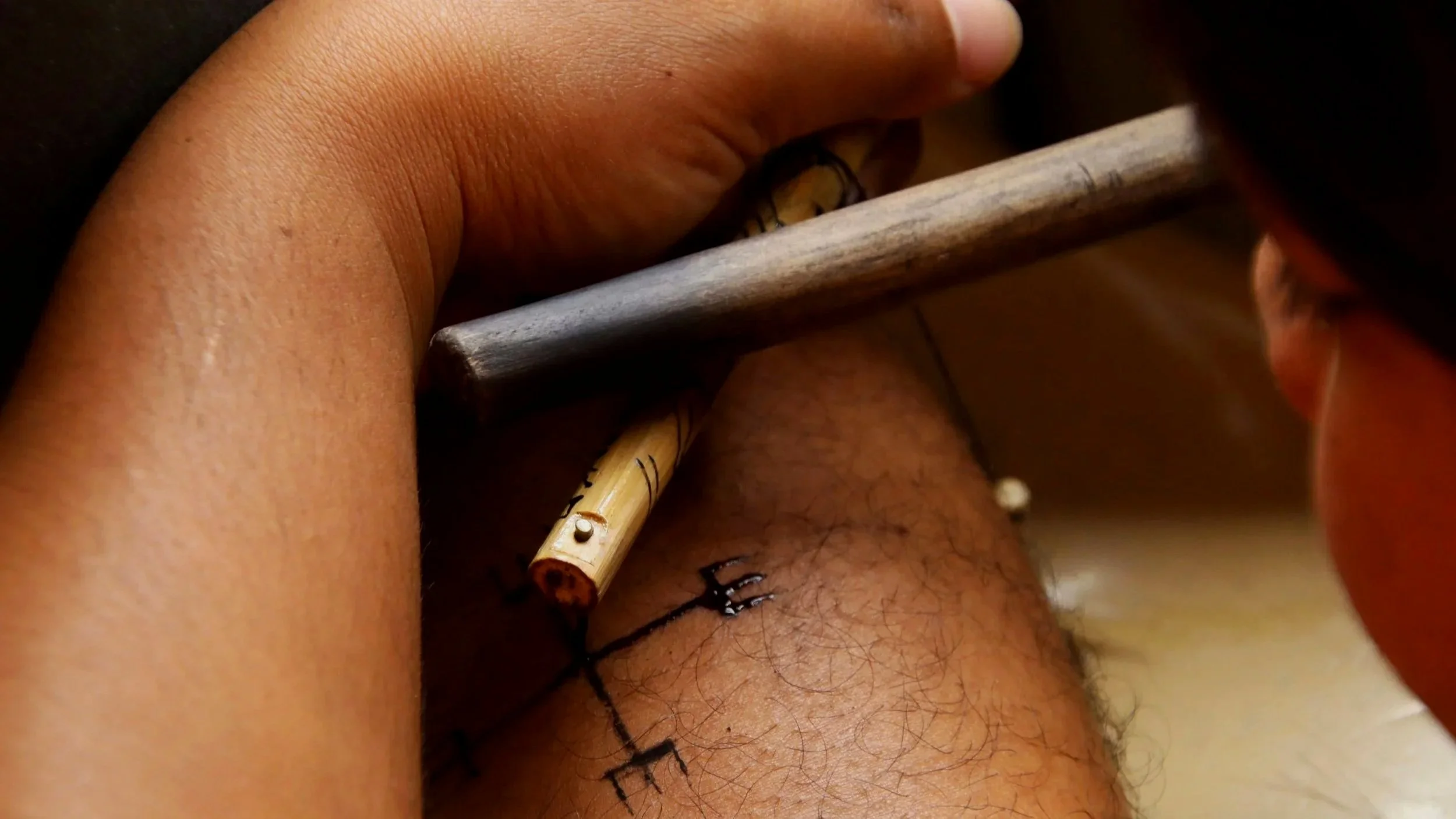
Your “New” INK Is Older Than You Think
Every few years, tattooing experiences a revival. Styles once considered outdated resurface, often marketed as something new. But tattooing rarely abandons its past — like many art mediums it evolves by reworking older ideas into new forms.
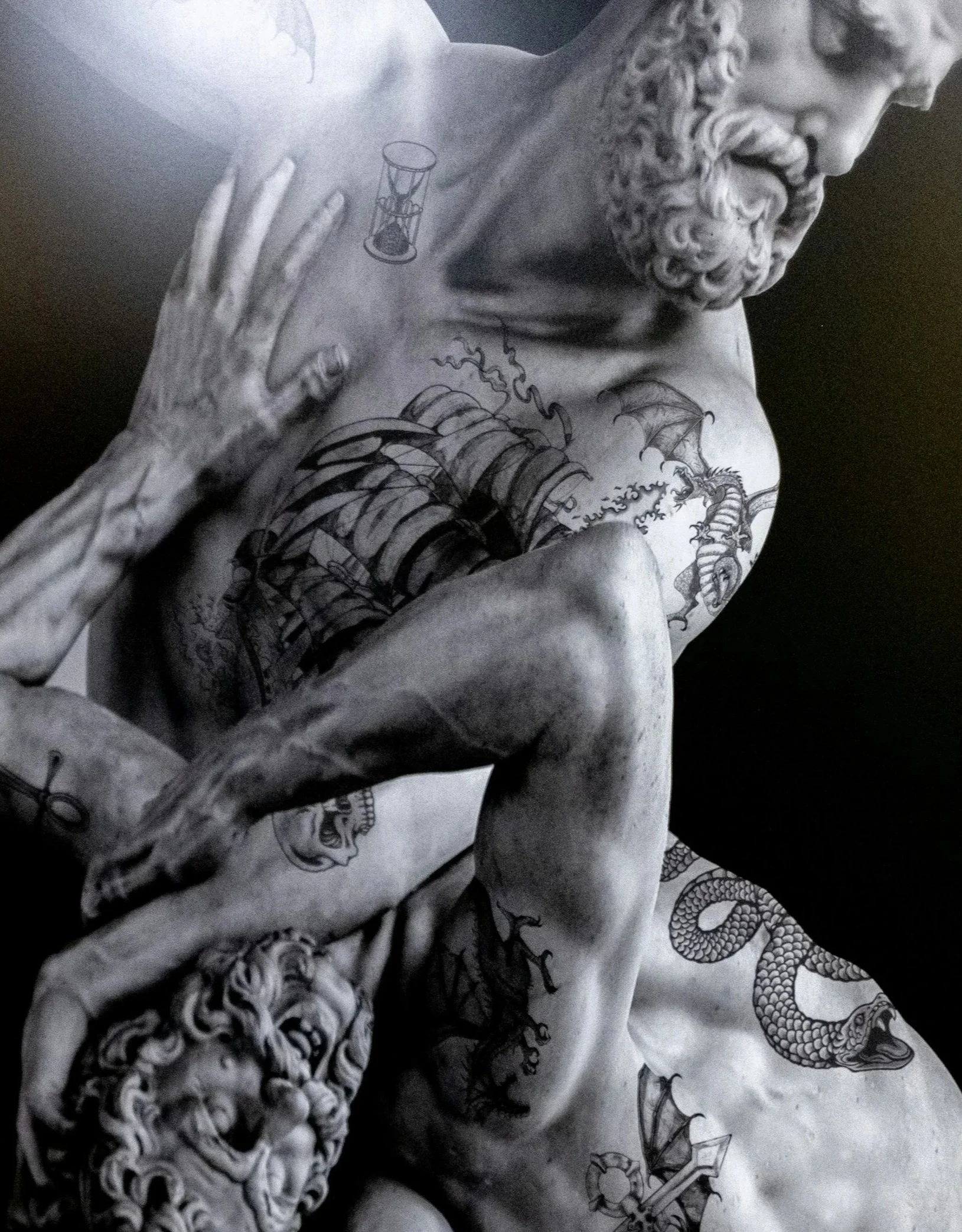
Tattooist or Tattoo Artist?
Are tattoo artists truly artists, or are they tattooists? While the difference may seem small, it raises larger questions about creativity, ownership, expression, and the purpose of tattooing itself.
Some believe tattooing should be viewed like any fine art form. Tattoo artists often spend years developing recognizable styles, refining techniques, and creating original work that reflects their personal vision. From this perspective, tattooing is an artistic practice where the goal is to create something unique and contribute to the evolution of the medium. Artists who build a distinct style naturally want to focus on work that fits their creative identity.
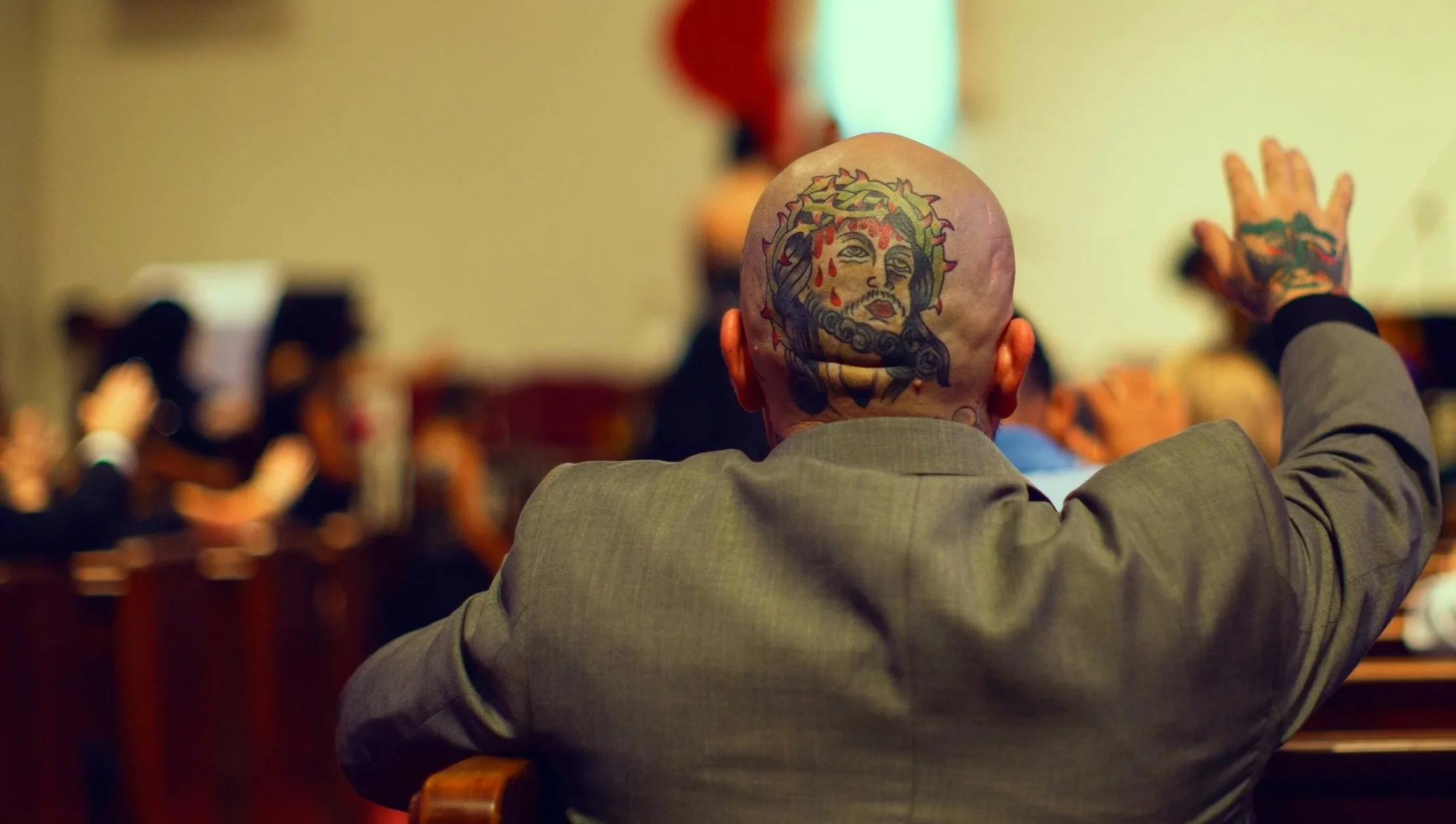
love thy ink , love thy self
Tattoo acceptance has changed dramatically over time. For much of modern history, tattoos were linked to rebels, bikers, criminals, and other groups outside mainstream society. Visible tattoos affected career opportunities, social interactions, and judgemental assumptions before people even spoke a word. Today, society is far more accepting of tattoos and personal expression, now embracing people from nearly every profession and background. Healthcare workers, teachers, executives, athletes, & business owners now openly wear tattoos, reflecting a major cultural shift.
The workplace clearly shows this change. In the past, visible tattoos were often considered unprofessional and could prevent someone from being hired. As tattoos became more common, many employers reconsidered these assumptions. Many companies now focus more on skills, character, and performance rather than body art.
However, acceptance is not universal. Some professions, including law enforcement, military organizations, government agencies, and certain public-facing roles, still maintain appearance policies to preserve professionalism and public trust. Even creative industries can present challenges. Actors may cover tattoos for certain roles, while models may avoid highly visible tattoos to maintain flexibility with brands and agencies.


